The Complete Guide to Australian Number Plate Values

Ever wondered why someone would pay more for a number plate than a house? You're not alone. The Australian number plate market is one of the country's best-kept investment secrets, with some plates fetching millions at auction while others struggle to find buyers at any price.
Understanding what makes a plate valuable isn't rocket science, but it does require knowing a few key principles. Let's break down exactly what drives number plate values in Australia.
The Hierarchy of Plate Values
Not all plates are created equal. Here's the rough pecking order:
Single-digit plates (1-9) sit at the very top. NSW plate "1" sold for $12.4 million in 2023, setting the Australian record. These plates are irreplaceable – there are literally only nine per state, and most have been in families for generations.
Double-digit plates (10-99) command the next tier. Expect six figures for the best examples. Round numbers like 10, 20, and 50 tend to fetch premiums over awkward combinations like 37 or 84.
Triple-digit plates (100-999) can still reach into the tens of thousands, particularly for numbers with meaning – 007, 111, 888 – or those with personal significance.
Four-digit and above generally plateau in value unless the combination has special appeal. Sequences like 1234, repeating patterns like 5555, or meaningful numbers like 2000 can still command attention.
Heritage vs Personalised: Know the Difference
This distinction catches many people out.
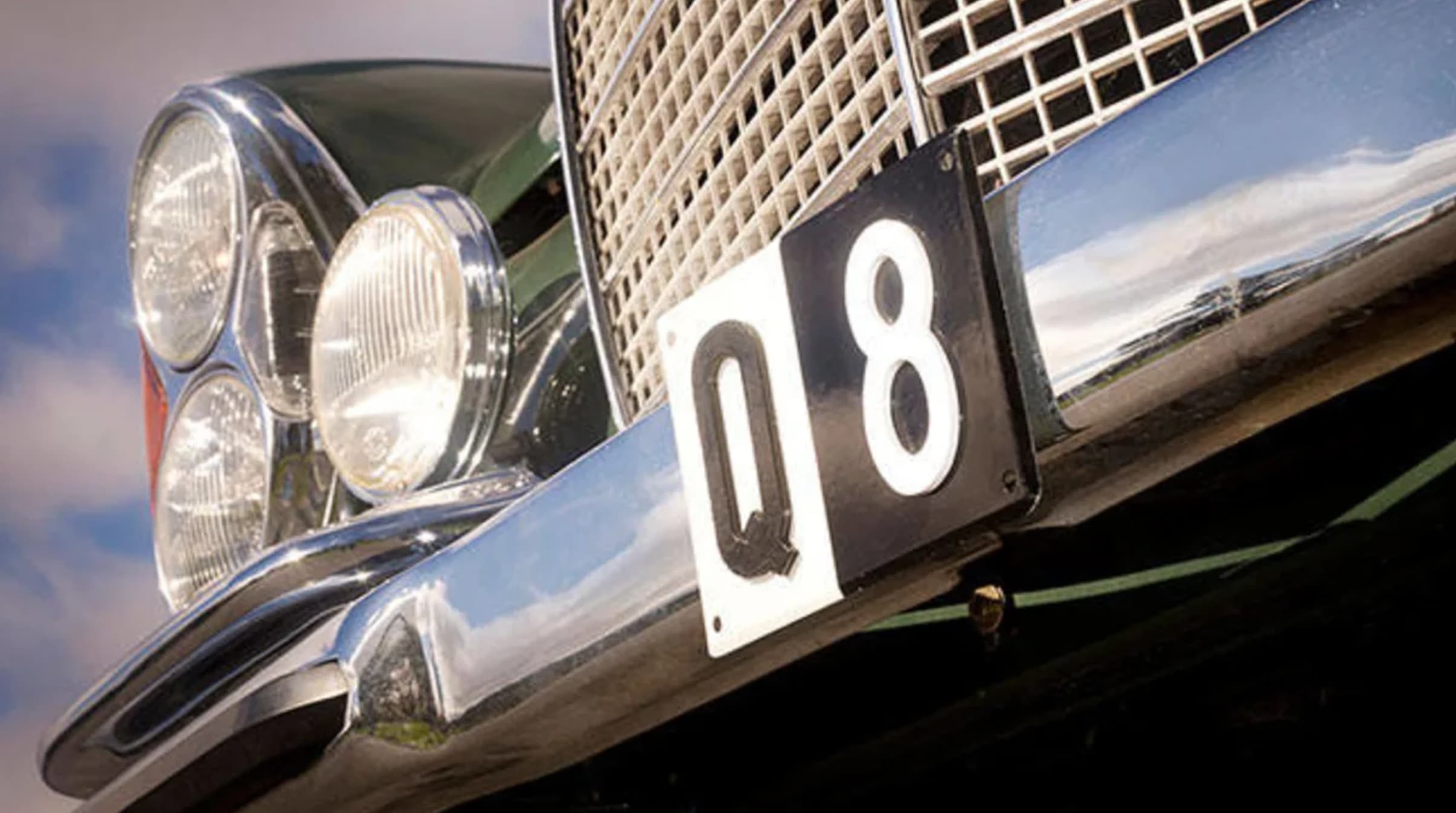
Heritage plates are the original registrations issued to vehicles decades ago. They're tied to state history and can't be recreated. A heritage "25" from NSW carries genuine historical significance – someone registered the 25th car in the state.
Personalised plates are custom combinations you order today. While they let you express yourself with letters and numbers, they lack the historical cachet of heritage plates. A personalised "COOL1" will never match a heritage "1" in value.
The market reflects this difference significantly. Heritage plates appreciate like classic cars; personalised plates tend to hold value but rarely skyrocket.
State Matters More Than You Think
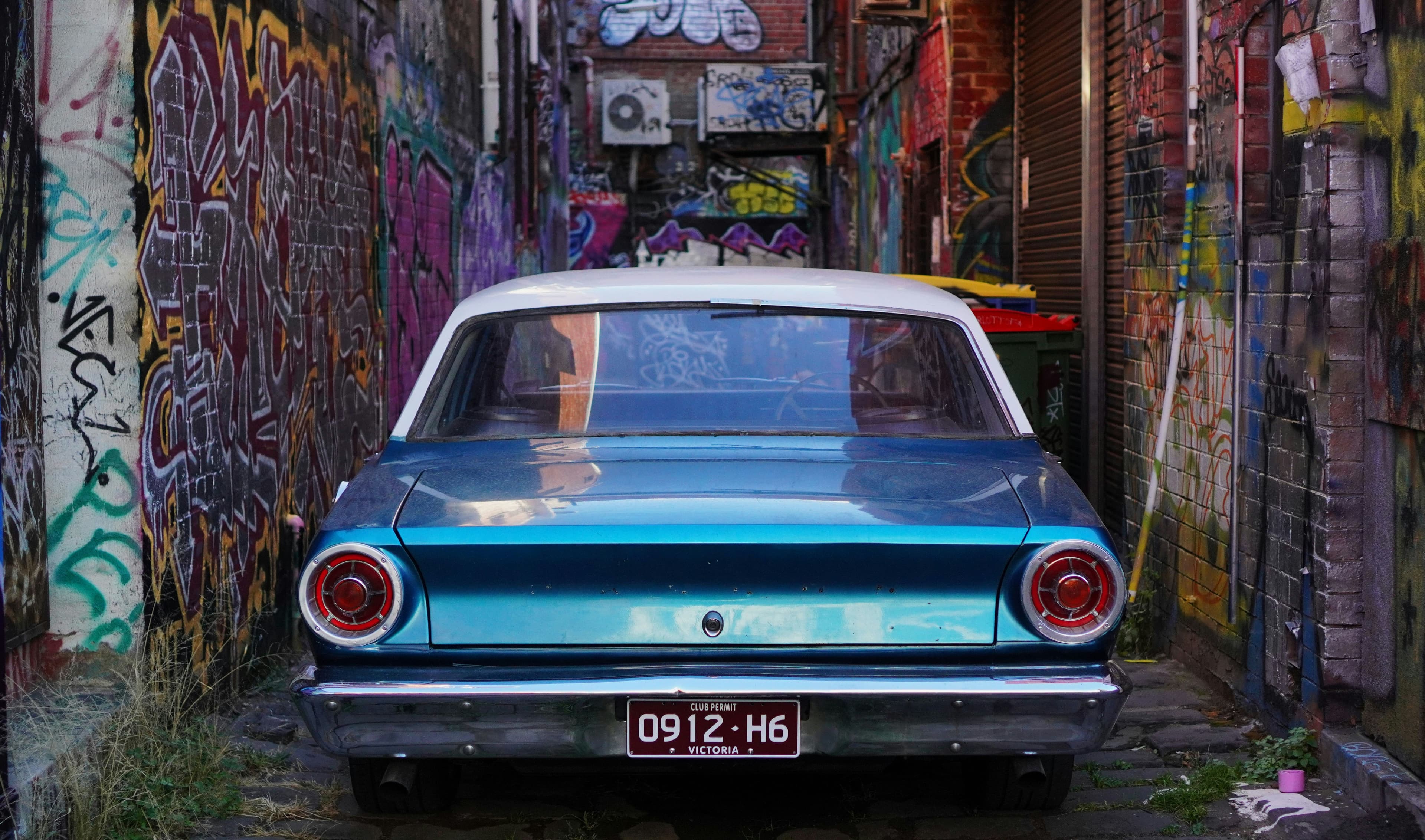
NSW and Victorian plates typically command the highest prices. Why? Population and history. More potential buyers means more competition, and both states have plate registration histories dating back over a century.
Queensland, Western Australia, and South Australia have their own markets, often with loyal local collectors. Tasmanian, NT, and ACT plates are rarer in circulation but also have smaller buyer pools.
If you're buying purely for investment, NSW and VIC heritage plates have the strongest track record. If you're buying for personal use, your home state makes the most sense.
What Makes a Combination Valuable?
Beyond raw numbers, certain characteristics boost value:
Low numbers – The lower, the better. Always.
Symmetry – Plates like 121, 1001, or ABBA appeal to our love of patterns.
Lucky numbers – 7, 8 (especially popular in Chinese culture), and 13 (for the contrarians) have dedicated followers.
Initials – Common three-letter combinations that match names or companies attract corporate buyers and individuals alike.
Words – Plates that spell words (within the state's character limits) can attract serious interest if the word is desirable.
Dates – Birth years, anniversary years, or significant dates have personal meaning that translates to value.
How to Check Your Plate's Potential Value
If you've got a plate and you're curious about its worth, start with these steps:
Identify the plate type – Is it heritage or personalised? Check your registration documents or contact your state's transport authority.
Research comparable sales – Look for similar plates that have sold recently. Auction results, marketplace listings, and dealer records all help.
Consider the buyer pool – A plate with broad appeal (low numbers, common initials) has more potential buyers than something niche.
Get multiple opinions – Don't rely on one source. Talk to collectors, dealers, and use valuation tools.
AusPlates is building Australia's first comprehensive plate marketplace and valuation tool. You can browse current listings or list your own plate, see price guidance based on real market data, and understand where your plate sits in the market.
The Bottom Line
Australian number plates represent a genuine alternative asset class. The best examples have outperformed property and shares over decades, while even mid-tier plates hold value better than most consumer purchases.
Whether you're looking to buy, sell, or simply understand what you've got, knowledge is your best tool. The market rewards those who understand what makes plates valuable – and now you do.
Ready to explore the market? Browse listings on AusPlates and see what plates are selling for. List before April 30 for free lifetime listings.